June 28, 2026 · 4 min read
Custom or Off-the-Shelf Software – When Each One Pays Off
Custom software or a ready-made product? Decision criteria, total cost of ownership and lock-in explained honestly, with concrete SME examples.

Tillmann
Founder of TFLIT
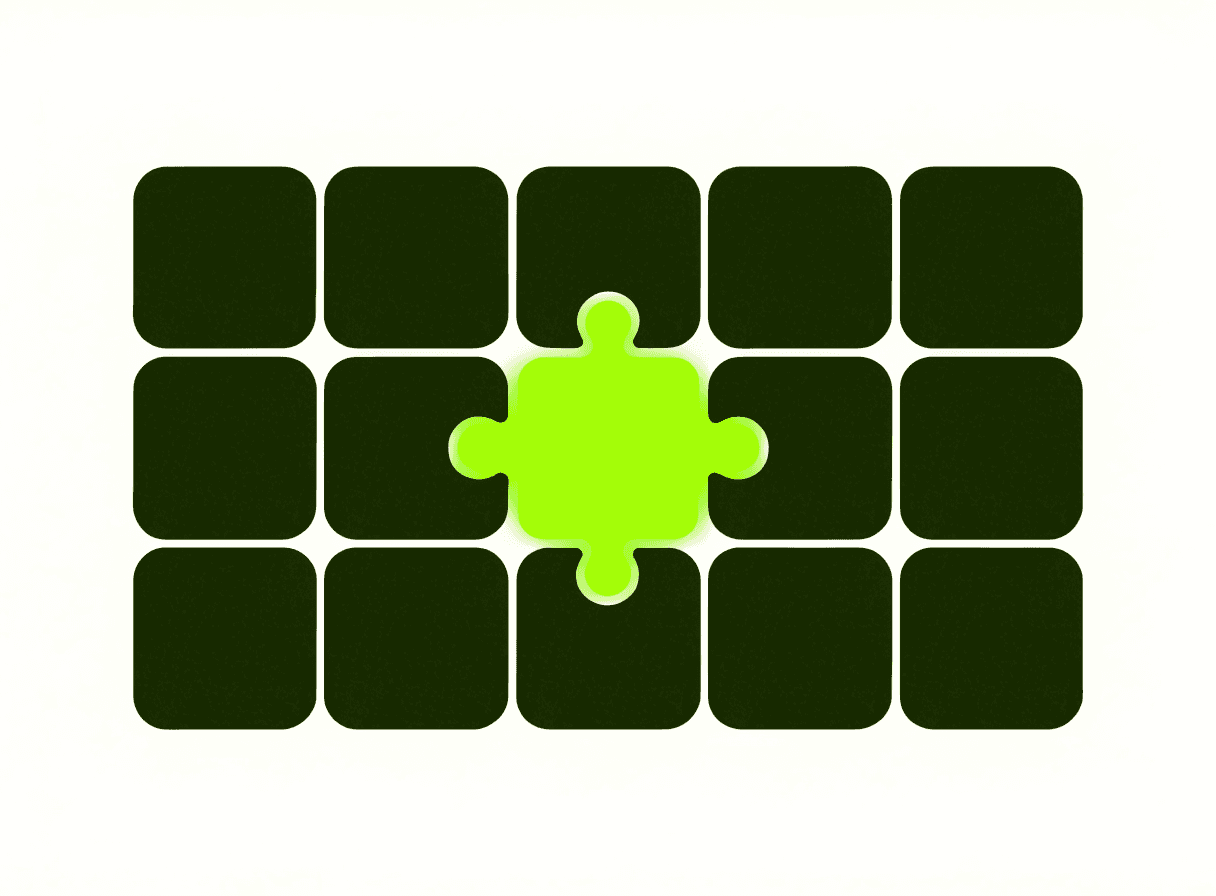
Sooner or later almost every company faces this question: do we buy a ready-made off-the-shelf product, or do we have something of our own built? The honest answer is: it depends – but not on gut feeling, rather on a few traceable criteria. I will help you make the right call for your situation.
The Key Difference: Standard Process or Core Process
The decision becomes much clearer when you separate standard processes from core processes. A standard process is necessary but not distinctive: accounting, email, simple scheduling. A core process is part of how your organization works or competes: quoting logic, matching, project handling, review workflows or data flows between specialist systems.
Standard processes should rarely be custom-built. Core processes should not permanently suffer under a standard product that bends your strengths out of shape.
Off-the-shelf software: the sensible default
For many tasks there are long-established, proven products. Accounting, email, classic project management, a standard online shop – reinventing the wheel here is usually a waste of money.
Off-the-shelf software has clear advantages:
- Quickly available, you can often start the same day.
- Low upfront cost, because development is spread across many customers.
- Maintained and updated by the vendor, including security patches.
As long as your process matches what the software assumes, this is the reasonable path. It only becomes critical once you start adapting your way of working to the tool instead of the other way round.
When custom software pays off
Custom software pays off precisely when a process is genuinely special for your company – when it is part of what sets you apart from others. Typical signs:
- Your staff maintain data in parallel across several tools and spreadsheets because no standard solution covers the whole workflow.
- You pay for expensive features you never use, while the one decisive feature is missing.
- A recurring manual task eats up many hours every week that could be automated.
- The standard solution dictates workflows that actually work against your strengths.
In these cases a tailored solution is not a luxury but an investment that pays for itself. It mirrors exactly your workflow, grows with you and belongs to you.
Total cost of ownership, not purchase price
The most common error in reasoning is to look only at the purchase price. What matters is the total cost over the years – the total cost of ownership.
With off-the-shelf software the per-user, per-month license fees seem small at first. Over five years, with a growing team and additional modules, they add up considerably. On top come frequent costs for customizations, integrations and workarounds, because the tool simply does not fit perfectly.
Custom software has higher upfront costs but no recurring per-head license fees. You pay for maintenance and further development – but only for what you actually need. With many users or strongly diverging processes the math therefore often tips in favor of building your own. The key is to calculate honestly across the whole lifecycle instead of just the first year.
The underestimated topic: lock-in
One point gladly overlooked at purchase time is dependence on the vendor. With off-the-shelf software your data and processes live in a system you do not own. Price increases, discontinued products or changed features are things you simply have to accept. Switching is expensive because your data and habits are stuck to the old tool.
With custom software the code and data belong to you. You decide when and what changes. This is not an argument against every standard solution, but a real value that should be priced in – especially for software that is business-critical.
A typical example from a mid-sized firm
A trades business plans jobs in spreadsheets, writes quotes in a word processor and copies everything by hand into the accounting system. Three tools, triple data entry, constant errors. A lean custom solution that connects quote, job and invoice in one workflow saves hours every week here and avoids transcription mistakes. That is not a prestige project but calculated efficiency.
Conclusion
Off-the-shelf software is the right choice when your process is standard. Custom software pays off when your process is your difference – or when license costs and workarounds become more expensive over the years than your own solution. Decide along the total cost, the dependence and the question of how special your workflow really is.
Are you unsure which direction is right for you? Feel free to get in touch. I will work through honestly with you what actually pays off – even if the answer in the end is to stick with the ready-made product. Custom software and software development, without any sales pressure.
Frequently asked questions
Which is better: custom software or off-the-shelf software?+
Neither option is better across the board, what matters is the nature of your process. Off-the-shelf software is the right choice when your process is standard: accounting, email, classic project management or a standard online shop are usually covered faster and cheaper by proven products. Custom software pays off when the process is part of your business model and sets you apart from others, for example quoting logic, project handling or special data flows between specialist systems. It becomes critical once you start adapting your way of working to the tool instead of the other way round. Decide along three factors: the total cost over the years, the dependence on the vendor and how special your workflow really is.
How much does custom software cost compared to off-the-shelf software?+
Custom software has higher upfront costs, but no recurring per-head license fees. With off-the-shelf software the per-user, per-month fees seem small at first, yet over five years, with a growing team and additional modules, they add up considerably. On top come frequent costs for customizations, integrations and workarounds, because the tool does not fit perfectly. With a custom build you pay for maintenance and further development, but only for what you actually need. With many users or strongly diverging processes the math therefore often tips in favor of building your own. The most common error is to look only at the purchase price: what matters is the total cost of ownership, calculated honestly across the whole lifecycle instead of just the first year.
How do I know my company needs custom software?+
There are four typical signs that custom software pays off for your company. First: your staff maintain data in parallel across several tools and spreadsheets because no standard solution covers the whole workflow. Second: you pay for expensive features you never use, while the one decisive feature is missing. Third: a recurring manual task eats up many hours every week that could be automated. Fourth: the standard solution dictates workflows that work against your strengths. A typical example is a trades business that plans jobs in spreadsheets, writes quotes in a word processor and copies everything by hand into the accounting system: three tools, triple data entry, constant errors. In cases like these a tailored solution is not a luxury but an investment that pays for itself.
Tillmann · TFLIT
Builds software for companies, universities and the public sector in Baden-Württemberg.